
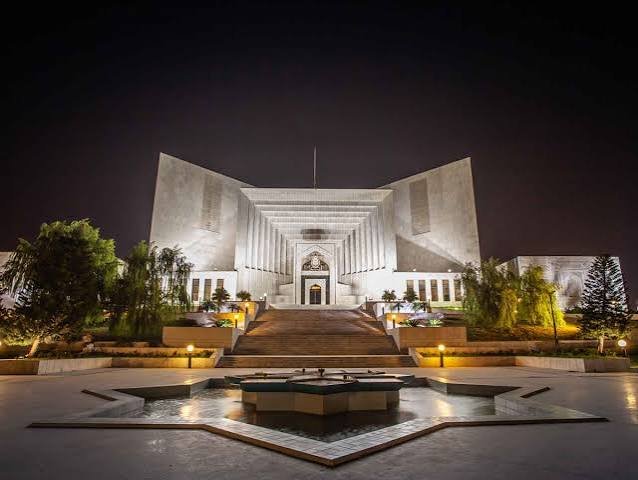
The Supreme Court has restored two civil revisions that the Lahore High Court dismissed for non-prosecution. The petitioner’s lawyer could not attend the hearing because he had contracted coronavirus. The court said advocates must remain vigilant to protect their clients’ legal interests. It described professional diligence as a basic requirement of effective representation.
Justice Muhammad Ali Mazhar authored the eight-page judgment. A three-member bench also included Justices Musarrat Hilali and Shahid Bilal Hassan. The judges converted the civil petitions into appeals and set aside the Lahore High Court’s February 23, 2026 order. That order had rejected applications seeking restoration of the two revisions. The Supreme Court stressed that the law supports those who remain alert about their rights.
The case involved petitioner Safdar Ali Butt. The Lahore High Court had dismissed his two civil revisions on February 2, 2026. His counsel, Shahid Azeem Bajwa, was present at the court but could not reach the bench in time. He was suffering from coronavirus. When the case was called, he rushed into the courtroom. However, a large crowd prevented him from approaching the bench.
The petitioner filed restoration applications the following day, on February 3. However, the high court rejected them on February 23. This prompted him to approach the Supreme Court. Justice Mazhar said a lawyer’s failure to perform professional duties could seriously harm a client. He also stressed that clients must monitor their cases instead of leaving every responsibility to their lawyers.
The judgment urged advocates to track hearing dates, cause lists and courtroom assignments carefully. Lawyers should also keep clients informed about case progress, possible risks and settlement offers. If hearings clash in different courts, they should arrange another lawyer to hold the brief. Alternatively, they should seek adjournments in advance and inform opposing counsel. The court said repeated and deliberate absences may justify dismissal when parties show no genuine interest in pursuing their cases.
Justice Mazhar also discussed the courts’ power to restore cases dismissed for non-prosecution. He said judges may grant restoration when applicants establish sufficient cause and act within the limitation period. Prompt applications and credible explanations can support a compassionate approach. However, leniency is not automatic. Courts must distinguish genuine emergencies from deliberate negligence and procedural abuse.
The judgment recognised medical emergencies and physical incapacity as possible grounds for restoration. It said courts should decide disputes on their merits rather than allow procedural mistakes to defeat justice. At the same time, litigants and lawyers must respect court directions and professional responsibilities. The court concluded that procedural rules should support the administration of justice, not obstruct it.