
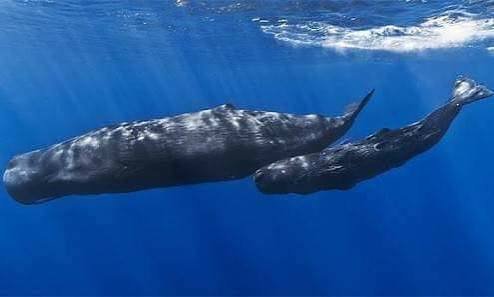
A sperm whale has appeared off the Sindh coast for the first time, according to the World Wide Fund for Nature-Pakistan (WWF-Pakistan). The organisation reported the sighting on Friday, saying the whale surfaced around 40 nautical miles southwest of Karachi. The encounter marks a notable addition to records of marine life in Pakistan’s offshore waters.
WWF-Pakistan estimated the whale’s length at around 45 feet. The animal appeared during an expedition led by Zahid Maker, a member of the organisation’s board. The group said earlier sightings of sperm whales occurred off the Balochistan coast in 2017. Footage from the latest encounter showed the whale’s distinctive blowhole, skin markings and prominent hump.
WWF-Pakistan Senior Director Rab Nawaz said the sighting highlighted the ecological value of the country’s offshore waters. He stressed the need to protect marine habitats and the food chains that support large species. Nawaz added that Pakistan’s waters contain remarkable marine diversity, although researchers still know little about many species. He called for stronger conservation efforts and responsible fishing practices.
Sperm whales mainly eat cephalopods, a group that includes squid and octopuses. Their prey in Pakistan’s coastal and offshore waters includes purpleback flying squid and diamondback squid. These marine mammals also rank among the ocean’s deepest divers. They usually descend between 300 and 800 metres to find food, although they can dive as deep as two kilometres.
WWF-Pakistan has documented 26 cetacean species in the country’s waters. This group includes whales and dolphins, such as blue whales, Bryde’s whales and Arabian Sea humpback whales. It also includes several toothed whale and dolphin species. The organisation said its research and monitoring programmes had helped record some toothed whale species in Pakistani waters for the first time.
The latest sighting has renewed attention on the need for marine research in the Arabian Sea. WWF-Pakistan says regular monitoring, sustainable fishing and stronger conservation measures can help protect marine biodiversity. These steps can also reduce pressure on ecosystems that provide food and shelter for marine animals. Researchers hope further work will improve understanding of species living in Pakistan’s offshore waters.
Established in 1970, WWF-Pakistan works to address environmental and conservation challenges across the country. The non-profit organisation focuses on wildlife protection, natural resource conservation and environmental safeguards. Its work also supports efforts to protect biodiversity and the communities that depend on healthy ecosystems. The sperm whale sighting highlights how continued research can help reveal more about Pakistan’s marine life.