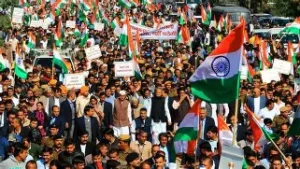
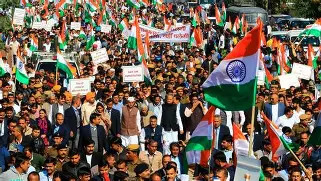
Young protesters in India are adopting creative tactics to continue demonstrations as authorities tighten security in New Delhi. From Batman masks to flash protests, students and activists are finding new ways to challenge restrictions and avoid surveillance. The demonstrations have continued despite mass detentions and a heavy police presence across the capital.
Tens of thousands of security personnel have deployed around key locations, including Jantar Mantar, a major protest site in New Delhi. In response, demonstrators have organised sudden gatherings at other locations, catching authorities off guard. Thousands of protesters were reportedly detained during weekend demonstrations, although many have since been released.
The protesters are demanding the resignation of Chief Election Commissioner Gyanesh Kumar over alleged irregularities in voter lists. They accuse the Election Commission of manipulating electoral rolls to benefit Prime Minister Narendra Modi’s ruling party. The constitutional body has denied the allegations, while the controversy has fuelled growing political tensions.
Content creator Meghnad S., 36, has organised a network of around 170 volunteers to help detained protesters return home safely. The group tracks police vehicles and shares information about detainees through digital platforms. Volunteers arrange drivers, transport and essential supplies, including food, water and fuel. The network also connects detainees with doctors who can provide medical assistance during their journey.
Student leader Neha Bora has also attracted widespread attention after police mistakenly detained a woman who resembled her. Bora initially avoided the security cordon but was later detained herself. She subsequently shared a photograph with her lookalike on social media, describing their resemblance as a coincidence rather than a deliberate tactic. Meanwhile, protesters have used their speed and coordination to evade police during street demonstrations.
Some demonstrators have worn Batman masks to conceal their identities and reduce the risk of identification through surveillance cameras. Bollywood actress Richa Chadha also urged protesters to consider using make-up to avoid facial recognition systems. In a social media video, she highlighted concerns about authorities filming demonstrators without their consent. Other protesters have resisted detention by holding on to one another or attempting to escape from police vehicles.
The protests highlight the growing role of digital networks and unconventional tactics in India’s youth-led political activism. As authorities strengthen security measures, demonstrators continue to adapt their methods to sustain public pressure over electoral transparency. The confrontation reflects wider concerns about democratic accountability, voter rights and the freedom to protest, with the dispute over electoral rolls remaining at the centre of the unrest.