
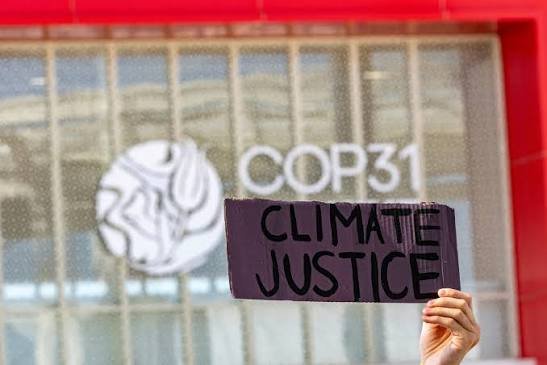
Australia has presented the first draft of a major political agreement at the COP31 climate summit, calling on countries to speed up the transition away from coal, oil and gas. The proposed deal urges governments to take faster action against fossil fuels, which contribute to global warming. Nearly 200 countries must approve the agreement before it becomes final. The UN climate conference is taking place in Antalya, Turkiye, with negotiations scheduled to conclude on November 20.
The draft highlights major differences among participating governments over future climate policies. It outlines competing national positions as countries work towards a consensus agreement expected by Friday. Australia, which is co-hosting the summit, has taken responsibility for guiding negotiations and preparing a joint political statement. The proposed statement aims to summarise agreements reached in Antalya and establish priorities for future climate action.
The document specifically calls for accelerated efforts to phase out fossil fuels. It urges an immediate transition away from coal, oil and gas in energy systems. However, the proposal still requires approval from participating countries. Governments continue to disagree over how strongly the final agreement should address fossil fuel consumption and the global energy transition.
The draft also expresses serious concern about the approaching breach of the Paris Agreement’s 1.5-degree Celsius temperature limit. Furthermore, it recognises the importance of scientific findings from the Intergovernmental Panel on Climate Change (IPCC). Several countries, particularly European nations and climate-vulnerable developing states, have demanded stronger references to scientific evidence. They also want the final agreement to establish a faster timeline for reducing fossil fuel dependence.
Climate financing represents another major issue in the negotiations. The proposed agreement calls for a threefold increase in funding for climate adaptation programmes in developing countries. It sets a target of at least $120 billion to support these efforts. Developing nations have repeatedly highlighted the need for greater financial assistance to address the effects of climate change.
Australia is seeking a broader political agreement that reflects the progress made during the conference. However, reaching a common position remains difficult because governments have different priorities and economic interests. The fossil fuel debate continues to create significant divisions among participating countries.
The negotiations are taking place amid international tensions and an energy crisis linked to ongoing conflicts. These challenges have complicated discussions and lowered expectations for a major breakthrough. With the summit scheduled to close on November 20, delegates face pressure to resolve outstanding disagreements and secure a common agreement on future climate action.