
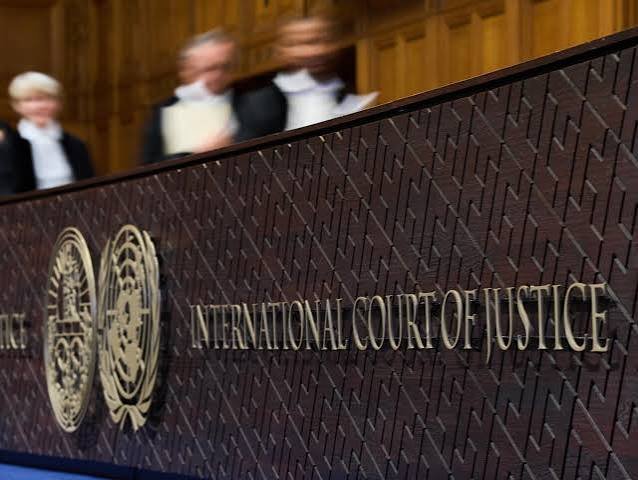
The International Court of Justice (ICJ) will deliver its judgment on Myanmar’s alleged genocide against the Rohingya Muslim minority on November 19, 2026. The court announced the date on Tuesday, ending years of legal proceedings in a case filed by The Gambia. Judges will decide whether Myanmar violated the 1948 UN Genocide Convention during its military crackdown against the Rohingya community.
The Gambia brought the case before the ICJ in November 2019. It accused Myanmar of committing atrocities against the Rohingya and violating international law. The court’s decision will address Myanmar’s responsibility as a state, rather than determine the criminal guilt of individual officials. Although the ICJ cannot enforce its rulings directly, the judgment could increase international pressure on Myanmar’s leadership.
Myanmar’s military launched a major crackdown in 2017 under the command of Min Aung Hlaing. The operation forced hundreds of thousands of Rohingya to flee to neighbouring Bangladesh. Survivors reported killings, sexual violence and the destruction of villages. More than one million Rohingya now live in refugee camps across Bangladesh, including the vast settlement in Cox’s Bazar.
Myanmar has repeatedly rejected the genocide allegations. Its authorities argue that the military targeted armed insurgents after attacks killed security personnel. During court hearings in January 2026, Myanmar representatives described the accusations as unsupported. The Gambia, however, urged judges to recognise the suffering of the Rohingya and uphold the principles of the Genocide Convention.
Gambian Justice Minister Dawda Jallow told the court that the Rohingya had faced extreme violence and destruction. He argued that the case concerned real people and their experiences, not merely legal arguments. Myanmar’s representative, Ko Ko Hlaing, challenged the claims and said emotional arguments could not replace reliable evidence. Former civilian leader Aung San Suu Kyi also defended Myanmar during an earlier hearing in 2019.
The ICJ had already ordered Myanmar in 2020 to take measures to prevent acts prohibited under the Genocide Convention. These included killings and actions that could destroy the Rohingya community, in whole or in part. Judges also rejected Myanmar’s challenge to the court’s jurisdiction, allowing the case to proceed. The November judgment will bring the proceedings to a major legal conclusion.
Other international legal efforts also concern alleged crimes against the Rohingya. In 2024, the International Criminal Court’s prosecutor sought an arrest warrant for Min Aung Hlaing over alleged crimes against humanity. A separate case in Argentina also examines allegations under universal jurisdiction, which allows courts to hear certain serious international crimes. The ICJ ruling could become an important moment in the Rohingya community’s long search for justice.