
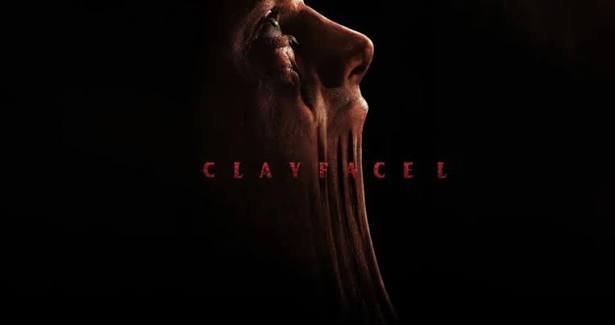
DC’s Clayface offers a disturbing look at the making of one of Batman’s most unsettling villains. Rather than retelling a familiar superhero story, the film explores the painful transformation of a man into a monster. Directed by James Watkins, it focuses on tragedy, identity and the cost of society’s obsession with physical appearance. Notably, the story unfolds without Batman appearing in it.
Tom Rhys Harries plays Matt Hagen, an ambitious actor whose life changes after a brutal attack leaves him disfigured. The incident destroys more than his appearance. Hagen also loses his career, confidence and sense of identity. His profession depends heavily on his face, making his physical transformation especially devastating. Desperate to recover his former life, he turns towards a disturbing solution and seeks revenge against those responsible.
The film explores how Hollywood places enormous value on appearance. Hagen believes that restoring his face will also restore his identity. This central idea creates similarities with the 2024 horror film The Substance. Both stories examine characters who face appearance-related pressure and turn to dangerous treatments. Their attempts to meet unrealistic standards gradually threaten their humanity.
However, Clayface develops these ideas through graphic body horror. Hagen’s frightening physical changes reveal his emotional decline as well as his transformation into a monster. The film repeatedly raises an unsettling question: does the real monster live inside Hagen, or does the substance controlling his body create it? This conflict gives the horror a deeper psychological meaning.
Harries delivers a strong performance as the troubled actor. He captures Hagen’s emotional suffering and the gradual collapse of his identity. His portrayal gives the character considerable depth despite the disturbing material. The film’s strongest moments emerge when it focuses on Hagen’s personal tragedy rather than relying only on shocking visual effects.
However, the film does not handle every storyline equally well. Its opening half moves too quickly through important developments. Some scenes feel rushed as the story tries to reach its more graphic sequences. Naomi Ackie also delivers a notable performance, but her character receives less development than the story requires. A courtroom storyline creates further problems, adding plot complications without providing enough clarity.
Despite these weaknesses, Clayface offers a worthwhile experience for horror audiences and DC fans comfortable with disturbing imagery. Its exploration of identity, exploitation and physical appearance gives the villain’s origin story a meaningful purpose. The film takes a different direction from conventional superhero productions. Its most powerful message emerges through Hagen’s tragic transformation and the human cost of trying to recover a lost identity.