
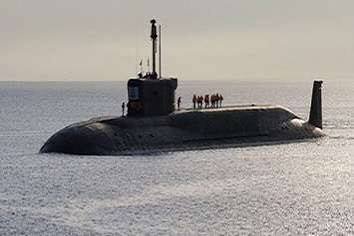
India’s expanding nuclear submarine programme has raised concerns about strategic stability in South Asia. The growing ability to launch nuclear weapons from the sea adds another layer to an already complex security environment. Combined with advanced missiles and missile defence systems, these developments could encourage dangerous assumptions about the possibility of controlling a conflict.
Pakistan’s security officials have warned that continuous nuclear patrols at sea could weaken confidence in India’s stated no-first-use policy. They argue that concealed launch platforms, operational nuclear weapons and missile testing without clear communication increase the chances of miscalculation. Pakistan maintains that it will take necessary steps to protect its sovereignty and preserve the regional balance. Its position remains that neither country can gain lasting security by undermining the other’s deterrence.
Estimates published in 2026 placed India’s nuclear stockpile at around 190 warheads, with some weapons reportedly assigned to submarine-based deterrence missions. However, uncertainty remains about the size and readiness of India’s nuclear forces. India has developed several nuclear-powered ballistic-missile submarines and expects to expand the fleet further. A larger force would give New Delhi more options for launching nuclear weapons from different locations, increasing the importance of transparency and reliable communication.
India’s declared nuclear policy must also be assessed alongside its military capabilities and political decisions. A concealed nuclear launch platform can create additional uncertainty when officials discuss pre-emptive action or counterforce strategies. Pakistan argues that selective international support for India’s military expansion risks encouraging an imbalance. A stable regional order requires consistent standards, credible deterrence and restraint from both sides, rather than assumptions that one country’s military growth is automatically defensive.
Past crises have shown how quickly tensions between the two nuclear-armed neighbours can escalate. During the May 2025 confrontation, both countries faced serious military risks before a ceasefire halted the fighting. Pakistan maintains that its response restored conventional deterrence while keeping the conflict from crossing the nuclear threshold. However, neither side should interpret the outcome as proof that a future confrontation can remain limited or follow a predictable path.
Missile incidents have also highlighted the dangers of inadequate communication. In March 2022, an Indian missile entered Pakistani territory, prompting concerns about safety procedures and crisis management. Such events demonstrate why prompt explanations, joint investigations and reliable emergency channels matter. When advanced weapons operate alongside nuclear forces, even an accident or misunderstanding can trigger decisions with consequences far beyond the original incident.
Pakistan says its full-spectrum deterrence policy aims to discourage aggression across different levels and domains, including maritime operations. Yet deterrence alone cannot guarantee peace if political leaders believe they can control escalation. Both countries need stronger risk-reduction measures, clearer communication and responsible decision-making. An expanding submarine fleet does not remove the dangers of nuclear confrontation. In South Asia, lasting security depends on recognising that even a limited conflict can grow beyond anyone’s control.