
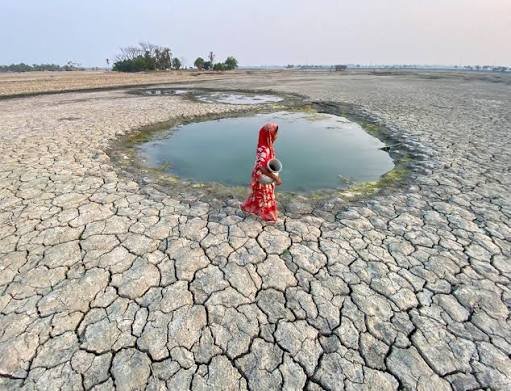
The United Nations has warned that an intensifying El Niño could bring severe weather disruptions across the world. The organisation has urged governments to prepare urgently for its potential effects. Millions of vulnerable people could face hunger, displacement and worsening living conditions as extreme temperatures, floods and droughts continue into 2027 and beyond.
World Meteorological Organisation chief Celeste Saulo warned that the event could reach unprecedented strength. She said its intensity might exceed monitoring levels used over the past 40 years. Meanwhile, officials have already observed extreme weather events. Saulo expects these conditions to multiply as El Niño strengthens. Therefore, she called for coordinated action before disasters escalate.
UN humanitarian chief Tom Fletcher described El Niño as a “wrecking ball” that could devastate parts of Latin America, eastern and southern Africa, Asia and the Pacific. He warned that its effects could last for months or even years. Moreover, ongoing conflicts, displacement, rising food and fuel prices, expensive fertilisers and international aid cuts could worsen the crisis.
Fletcher warned that around 50 million people could face increased hunger. He identified the next two weeks as a critical period for preparations. Somalia, Ethiopia and Kenya need supplies ahead of heavy rains, while southern Africa requires seeds and livestock support. In addition, Central America needs assistance to protect livelihoods. Countries across Asia and the Pacific must prepare for droughts, floods and cyclones.
The humanitarian impact could also extend beyond the regions facing the worst weather. Fletcher said El Niño could disrupt the global economy, fuel migration and intensify conflicts. He warned that humanitarian agencies could not manage a crisis of this scale alone. Consequently, he urged governments, development banks and international financial institutions to release funding before damage escalates. He also announced $50 million in assistance for 11 vulnerable countries, including Chad, El Salvador, Ethiopia, Somalia and South Sudan.
El Niño develops when surface temperatures rise in the central and eastern equatorial Pacific Ocean. This shift changes global wind patterns, atmospheric pressure and rainfall. The phenomenon typically occurs every two to seven years and lasts around nine to 12 months. However, climate change can intensify its effects by adding to already rising global temperatures. The climate system alternates between El Niño, its cooler counterpart La Niña and neutral conditions.
The WMO’s latest climate update forecasts that tropical Pacific sea surface temperatures could rise 3.8 degrees Celsius above average between November and January. If confirmed, this would exceed the previous three-month record of 2.6 degrees set during 2015–2016. El Niño usually peaks between November and February, while its strongest temperature effects often follow later. The previous event helped make 2023 the second-hottest year on record and 2024 the hottest. In Central America, drought has already damaged crops and killed animals, highlighting the urgent need for preparation.