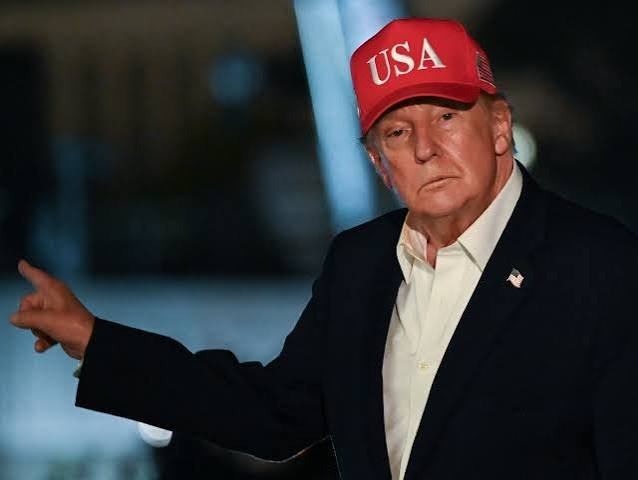
US President Donald Trump has cancelled plans to livestream the execution of convicted Fort Hood shooter Nidal Hasan. Trump announced the decision on Thursday, ending a controversial proposal by Defence Secretary Pete Hegseth. However, Hasan’s execution will proceed as scheduled, with authorities planning to use a firing squad.
The livestream proposal faced strong opposition in the United States and abroad. Democratic and Republican politicians, the Catholic Church, human rights groups and the United Nations all raised concerns. Critics questioned the decision to broadcast an execution publicly. The backlash placed growing pressure on the administration to reconsider the plan.
Trump said Hasan would die by firing squad as scheduled, but officials would not stream the event. In a post on his Truth Social platform, the president suggested that broadcasting the execution might have deterred future attacks. He argued that viewers could have witnessed how the United States deals with people convicted of terrorism. However, he acknowledged that many people would not want to watch an execution.
The president also said the victims’ immediate family members could attend the execution in person if they wished. Hasan was convicted after killing 13 people at Fort Hood, Texas, in 2009. His execution is scheduled for December 3. If carried out by firing squad, it would mark the first such US military execution since 1945.
Hegseth had announced the livestream proposal last week, saying the government would ensure that the public could watch the event. He later confirmed that officials planned to broadcast the execution. Trump’s decision has now ended that plan, although it has not changed the scheduled method of execution.
The reversal also comes as Hegseth faces scrutiny over the stalled war with Iran and its wider consequences. The conflict has created political challenges for the Republican Party ahead of upcoming midterm elections. While the administration has dropped the livestream proposal, debate over the execution has highlighted wider disagreements about public punishment, deterrence and military justice.